Private label
Review an existing product platform, then confirm the available branding, formula and packaging changes.
Discuss your private label makeup project with FANXI. Share product, shade, packaging and market requirements for a project-specific OEM or ODM review.
Send your OEM brief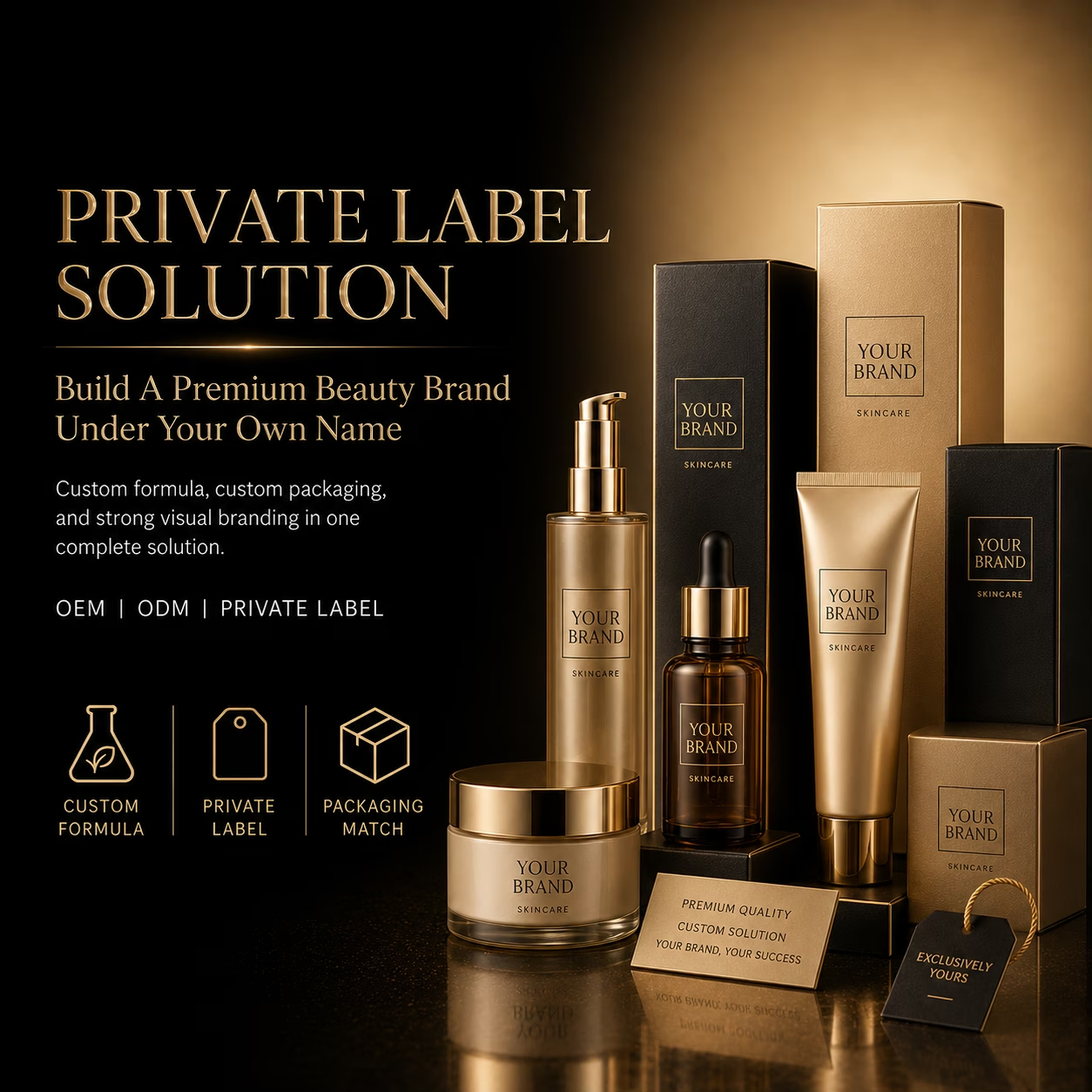
Concept visualization · Packaging is illustrative. Formula, performance, MOQ, timing and certifications depend on the confirmed project scope.
OEM and ODM are used differently across the industry. Start with your product reference, formula direction, shade plan, packaging artwork and destination market. FANXI reviews the supported options with you; the agreed scope should name the responsibilities, sample approvals and deliverables for each party.
Review an existing product platform, then confirm the available branding, formula and packaging changes.
Texture, shade, finish, sensory, and ingredient-story development.
Shade systems developed against physical or digital references.
Component sourcing, decoration, artwork, and compatibility review.
BUILD A QUOTABLE MAKEUP BRIEF
From a first range concept to an established brand's next launch, a clear brief helps the team review what can be supported. Send references only when you have permission to share them, and mark any decisions that are still open.
Name the format, intended finish, shade direction and benchmark. Separate the must-have properties from options you want to explore. Wear-time, water-resistance and other performance claims require suitable evidence before marketing use.
Include container or palette references, applicator needs, decoration, logo placement and artwork status. Formula compatibility, component availability and packaging conditions must be reviewed together.
State destination country, sales channel, total order quantity, product count, shade count and quantity per shade. MOQ varies by product and country; one total does not define the requirements for every SKU.
Agree sample scope, cost, timing, approved references, artwork, specifications and each party's responsibilities in writing. Confirm documents for the actual product, manufacturing scope and destination before production and shipment arrangements.
From filling and capping to wrapping and carton assembly.
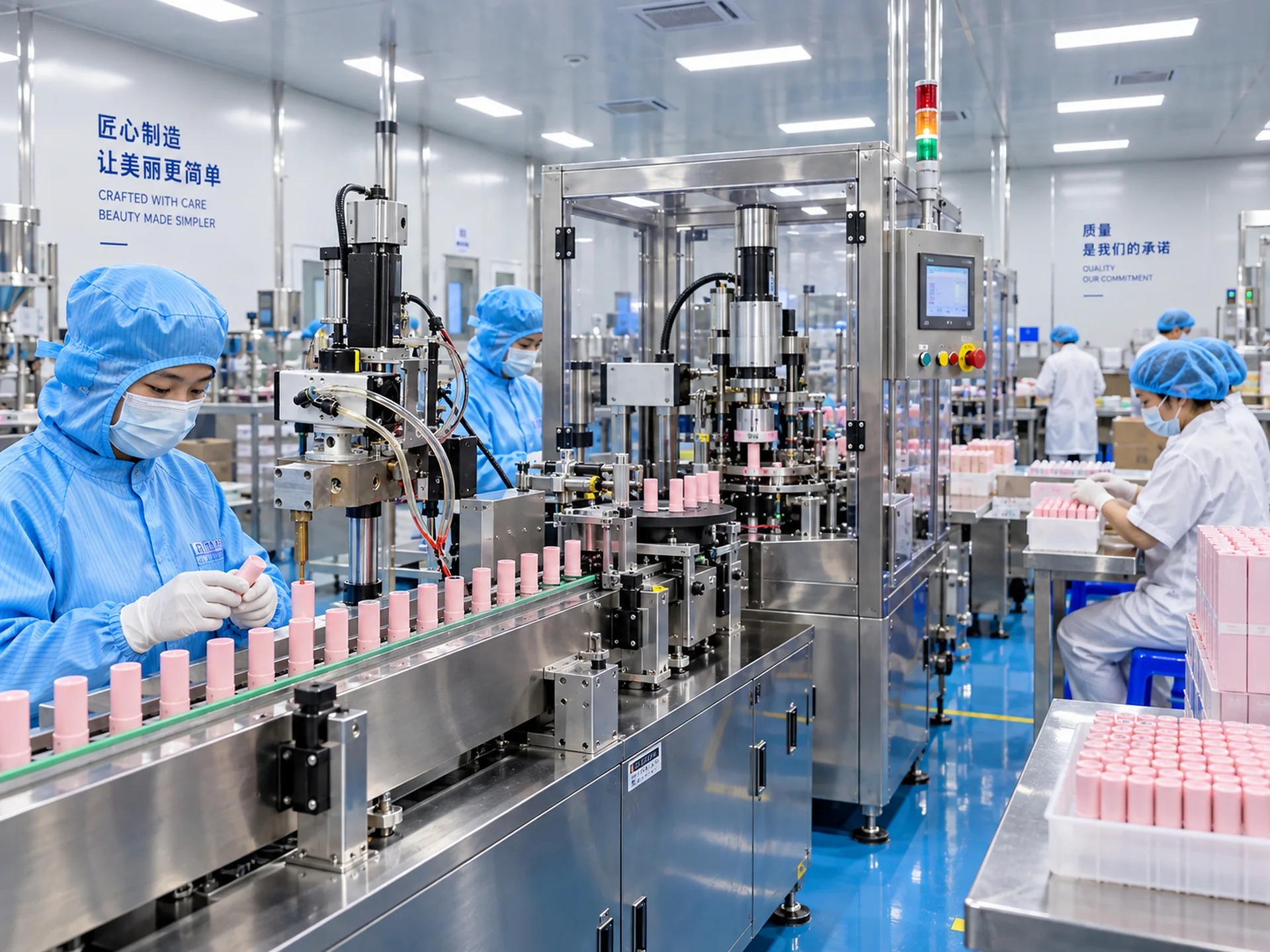
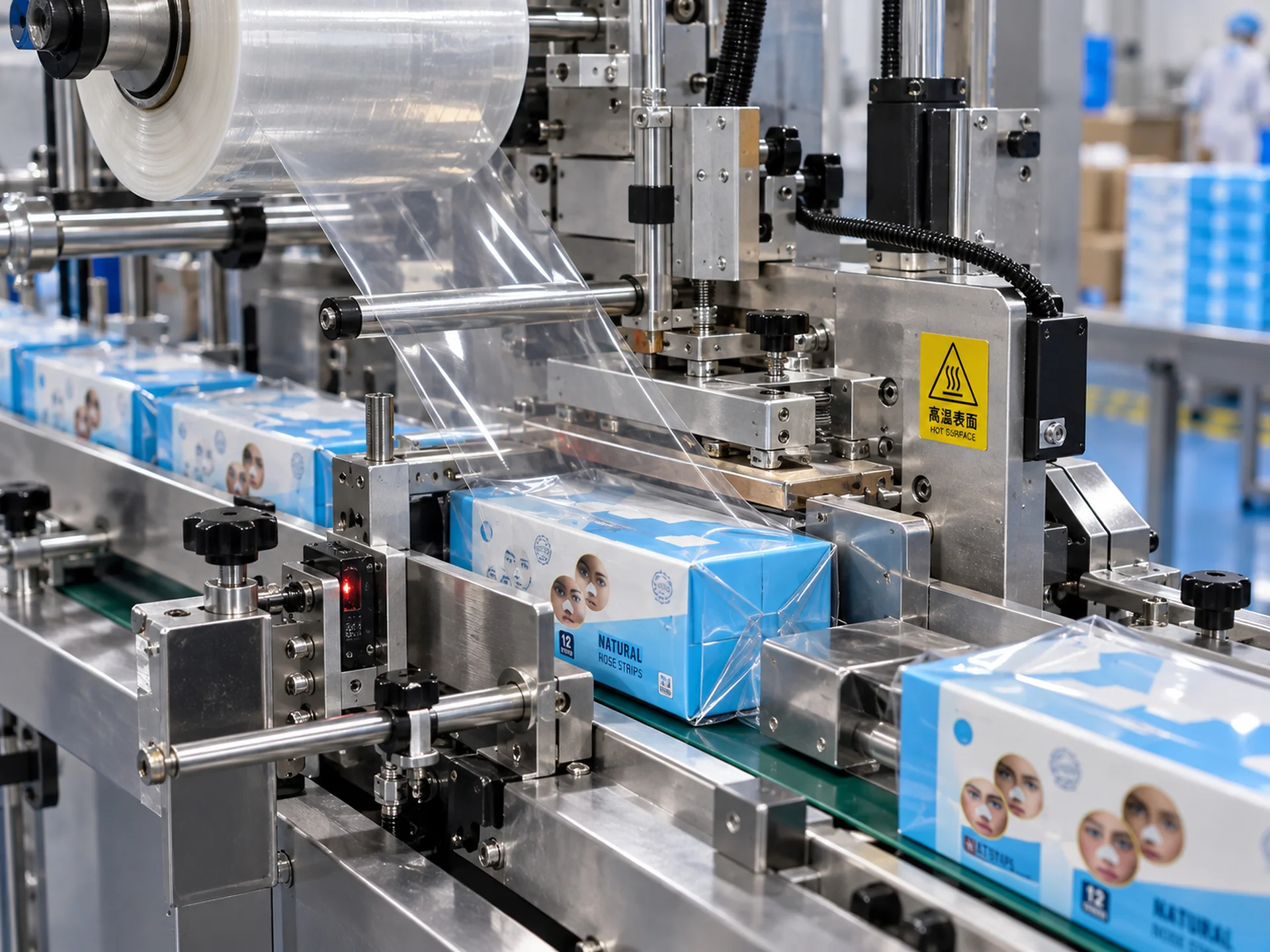
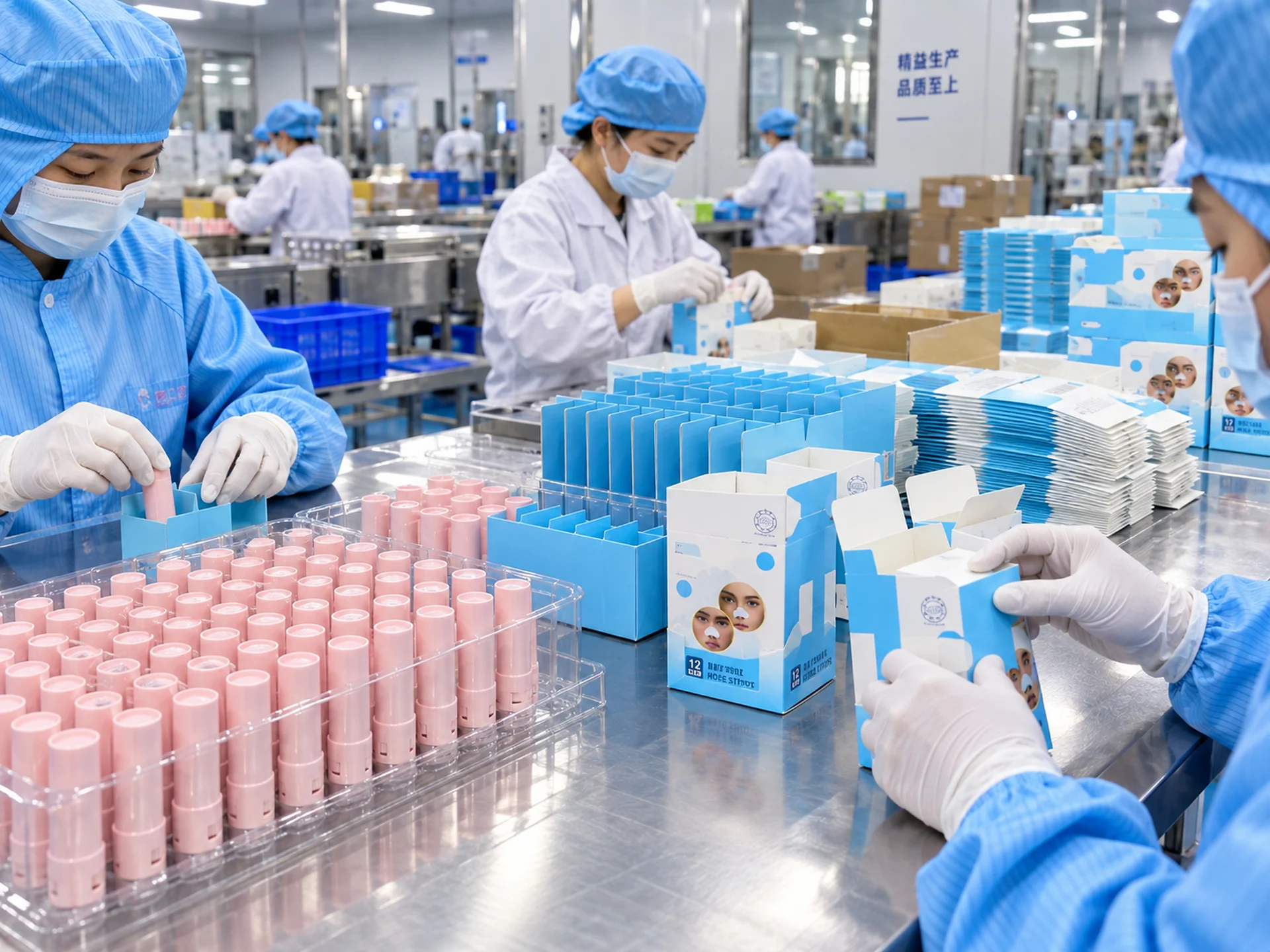
Contact our team to arrange a visit and discuss your project.
Keep every sample, component, artwork and approval tied to one project brief.
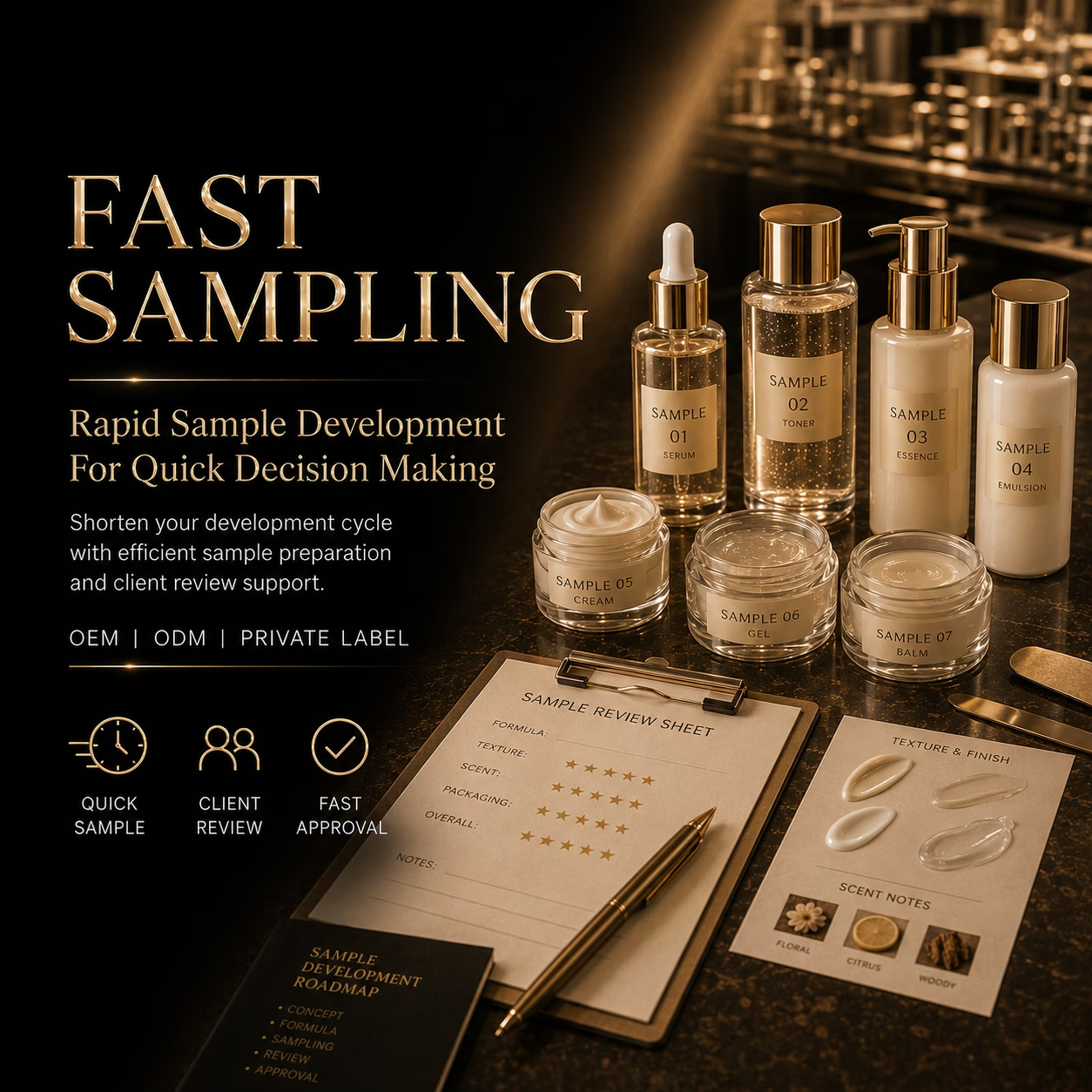
Concept visualization · Packaging is illustrative. Formula, performance, MOQ, timing and certifications depend on the confirmed project scope.
Coordinate compatible components, color, decoration and artwork before production release.
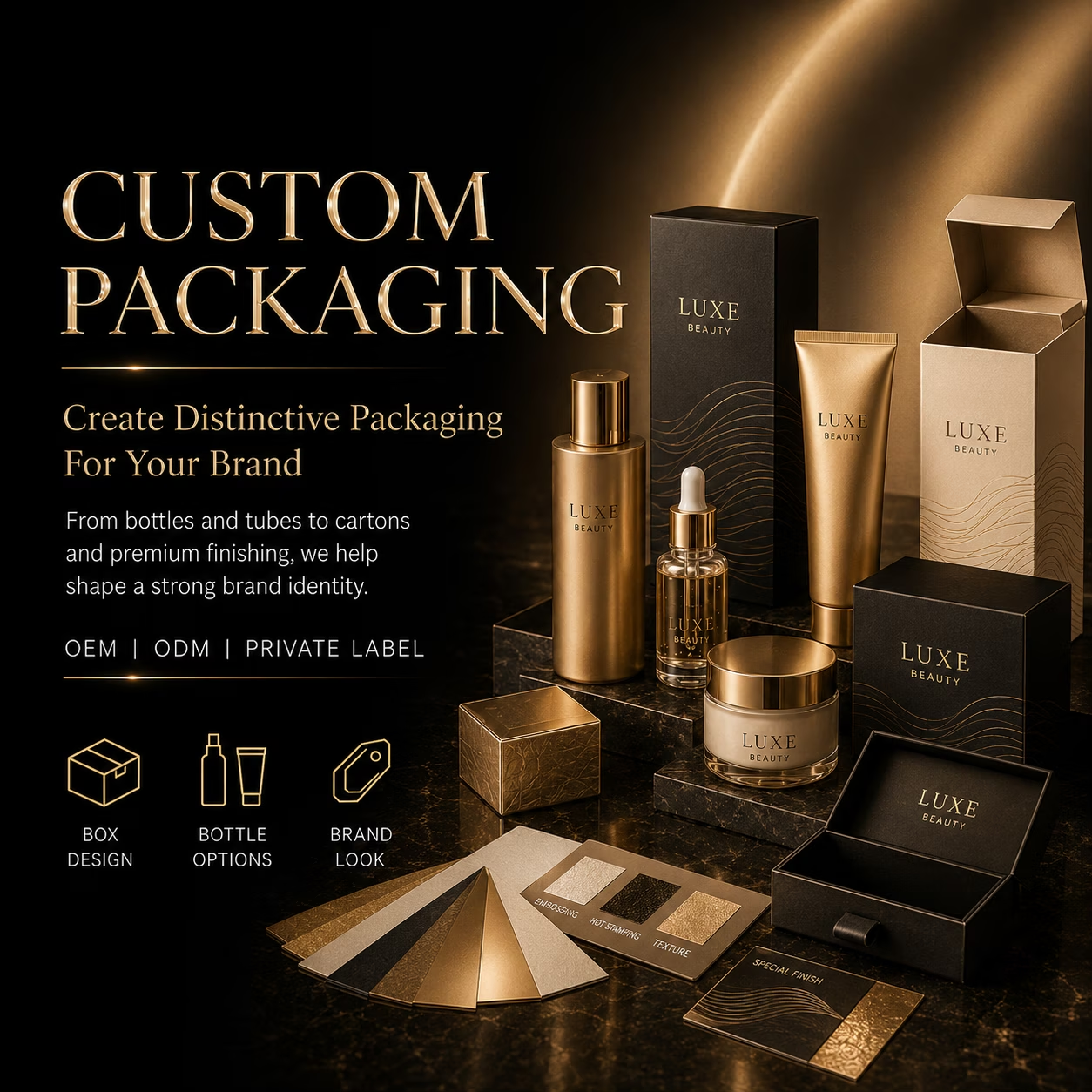
Concept visualization · Packaging is illustrative. Formula, performance, MOQ, timing and certifications depend on the confirmed project scope.
Align on audience, market, channel, benchmark, price band and launch priorities.
Turn the opportunity into a clear product, claims, format and commercial starting brief.
Develop, sample and refine formula, texture, finish and shade against approved targets.
Lock components, compatibility, decoration, artwork and the production reference.
Coordinate materials, manufacturing, filling, assembly and in-process checks.
Complete release checks, documentation, packing and the agreed shipping handoff.
Start from an adaptable platform or connect formula, packaging and brand presentation as one custom program.
Concept visualization · Packaging is illustrative. Formula, performance, MOQ, timing and certifications depend on the confirmed project scope.
Starting quantity, sampling speed, packaging scope and private-label options are confirmed after feasibility review.
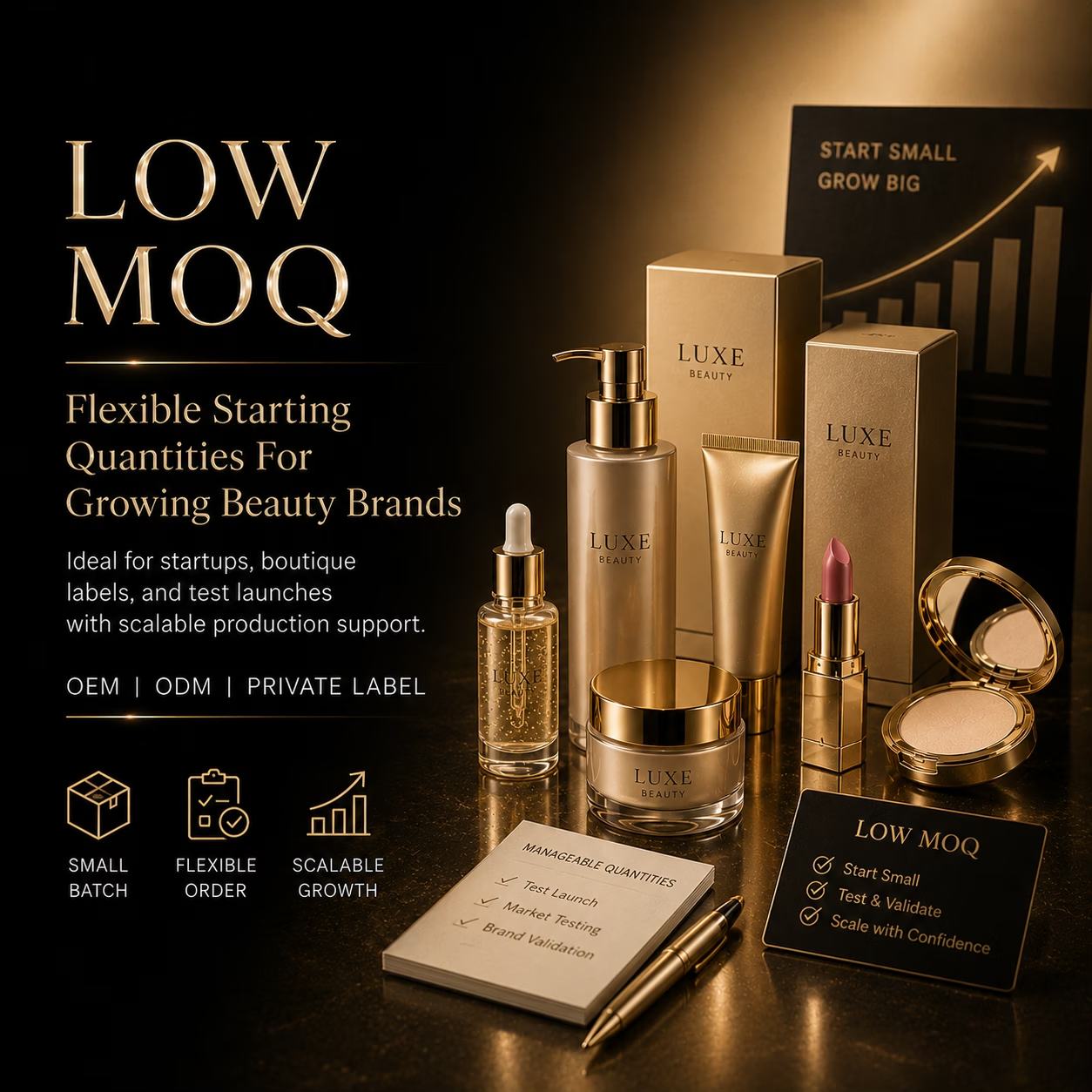 CONCEPT VISUAL01CONCEPT VISUAL02CONCEPT VISUAL03CONCEPT VISUAL04
These are capability and process visualizations, not client cases, certificates, or documentary facility evidence. Commercial and technical terms remain project-specific.
For brands, distributors and trading companies, a useful brief connects the destination market, sales channel and product idea to quantities by product and shade. Identify which formula, packaging and artwork decisions are fixed and which need development.
MOQ varies by destination country and product. Share the quantity by product and shade, formula direction, packaging and artwork needs so the team can review the applicable requirements. There is no single MOQ for every project.
Confirm the formula and shade references, packaging components, artwork, approved samples, product specifications and quality review scope. Agree the quotation, destination requirements and production timing for that defined scope.
The team reviews the product, customization and packaging brief before confirming sample scope, cost and timing. Treat an intended launch date as a planning input, not a confirmed delivery date.
Yes. FANXI also offers ready-stock wholesale with mixed-product and mixed-shade orders. Current availability and applicable quantities are reviewed separately from private-label development.

Final formula, packaging, testing, compliance, timing, and pricing depend on the approved project scope. The next step is a feasibility review built around your actual brief.